Updated November 2026
The short version
- POTS is the basic copper phone line that buildings have used for decades, for calls and for systems that dial out.
- Carriers are retiring copper. For example, AT&T aims to shut down its copper network by 2029, and FCC orders adopted in March 2025 make it easier for carriers to retire copper.
- Elevator phones, fire alarm panels, alarm panels, leak sensors, call boxes, intercoms and fax machines often still run on POTS lines.
- Replace each line before it fails, and test every system on its new connection before the POTS line is canceled.
What a POTS line is
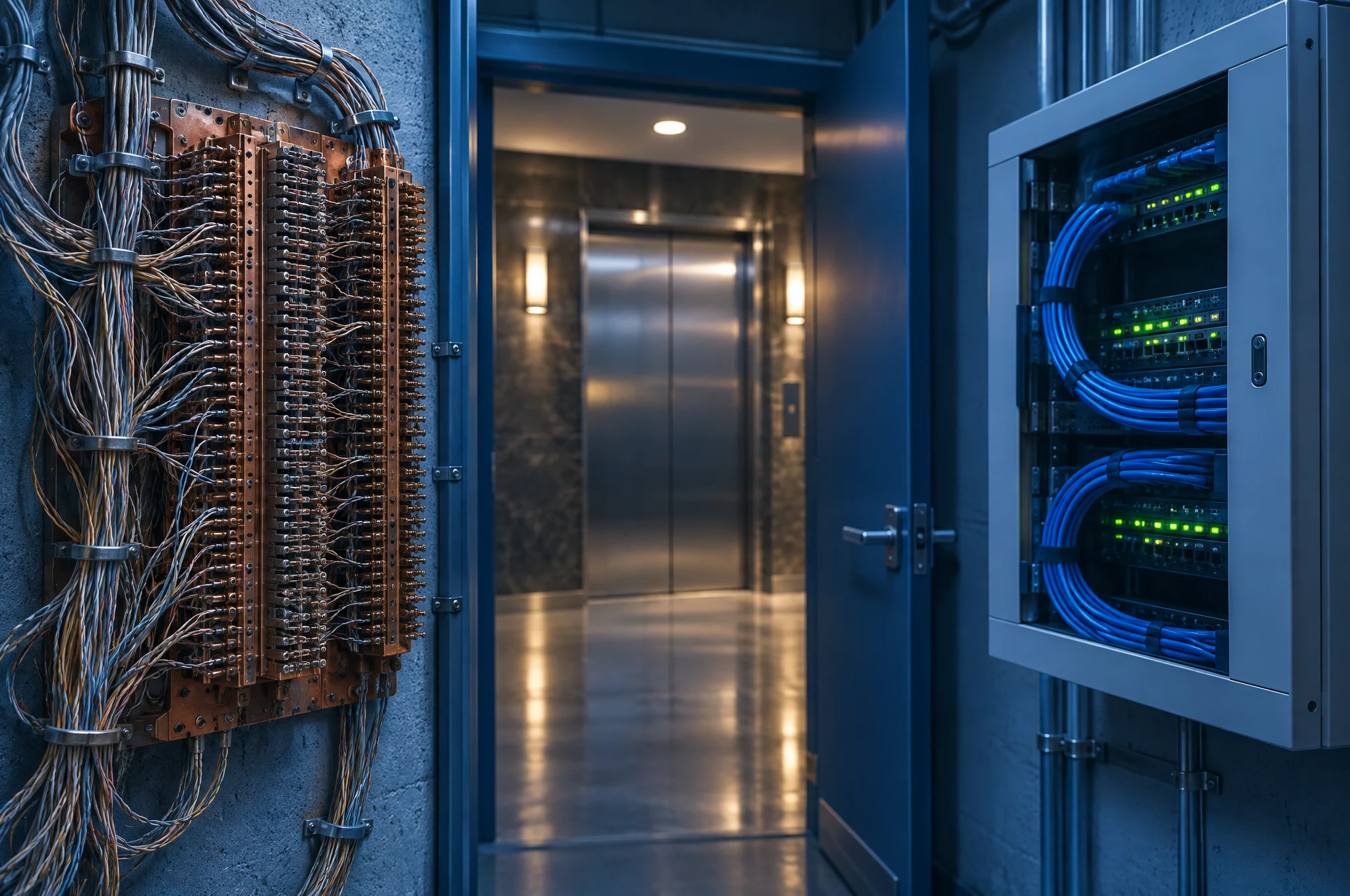
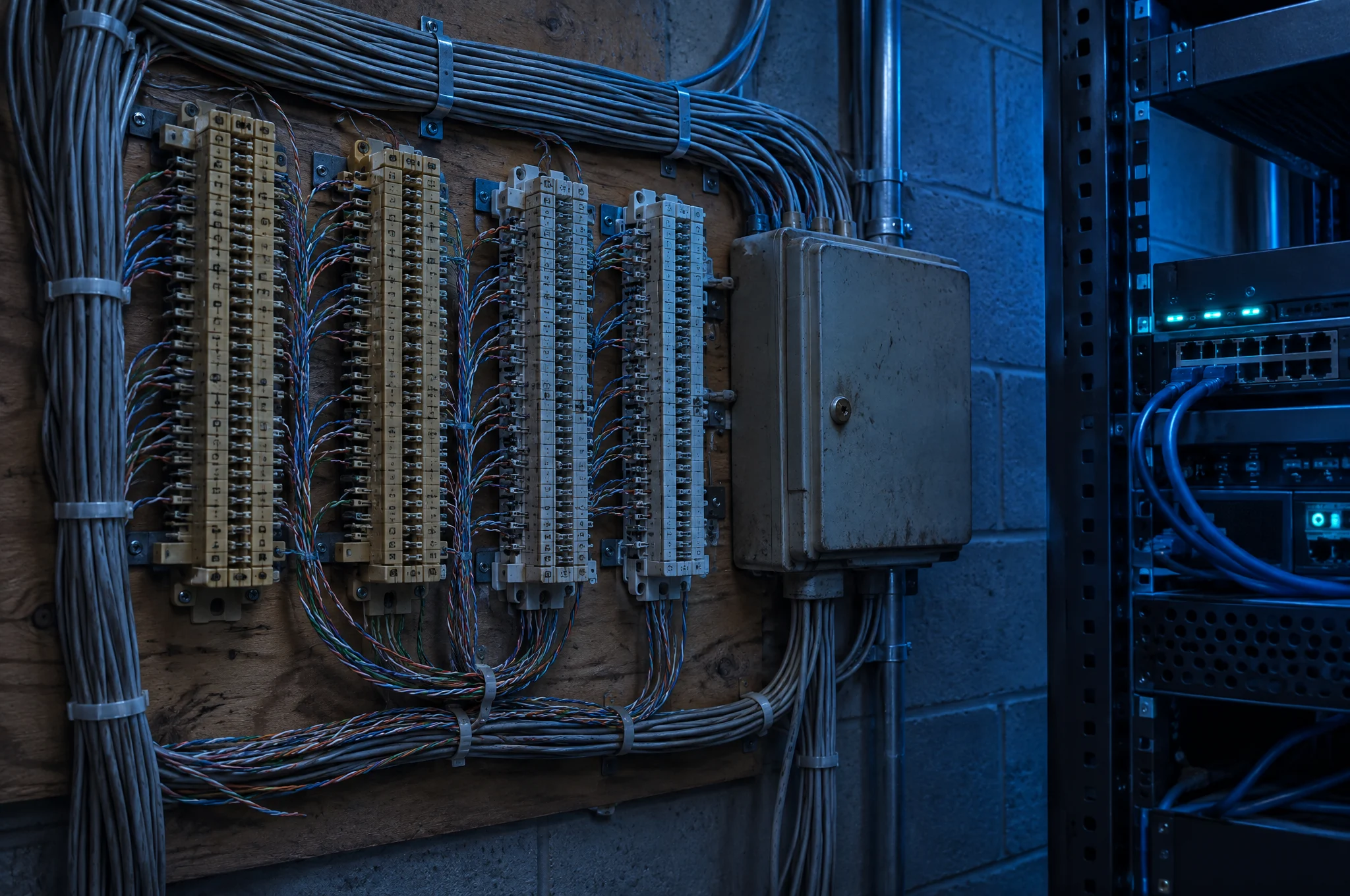
POTS stands for plain old telephone service. It is an analog phone line carried over copper wire from the phone company's network to your building. Each line has its own phone number and ends at a block of copper connections in the building's phone room.
For years, POTS was the only way for a building system to call out. Elevator emergency phones, fire alarm panels and security panels were all built to dial over it, which is why many buildings still pay for POTS lines long after the office phones moved to VoIP.
Why carriers are retiring copper POTS lines
- Carriers are shutting copper down. For example, Fierce Network reported in September 2025 that AT&T is working toward shutting down its legacy copper network by 2029.
- The rules now move faster. In March 2025 the FCC adopted orders that streamline how carriers discontinue copper and retire legacy voice services, including relief from some notice requirements.
- The lines that remain cost more. State fire officials note that the phone lines fire alarms have relied on have become either unavailable or extremely expensive, and carriers are raising prices on the POTS lines that remain.
Carriers still need state approval in many places before they fully exit copper, so timing differs from area to area. The direction does not change: copper POTS lines are going away.
What in your building still runs on POTS
Many building systems were installed when a copper POTS line was the only way to call out. Most buildings have more of these lines than anyone has on a list.
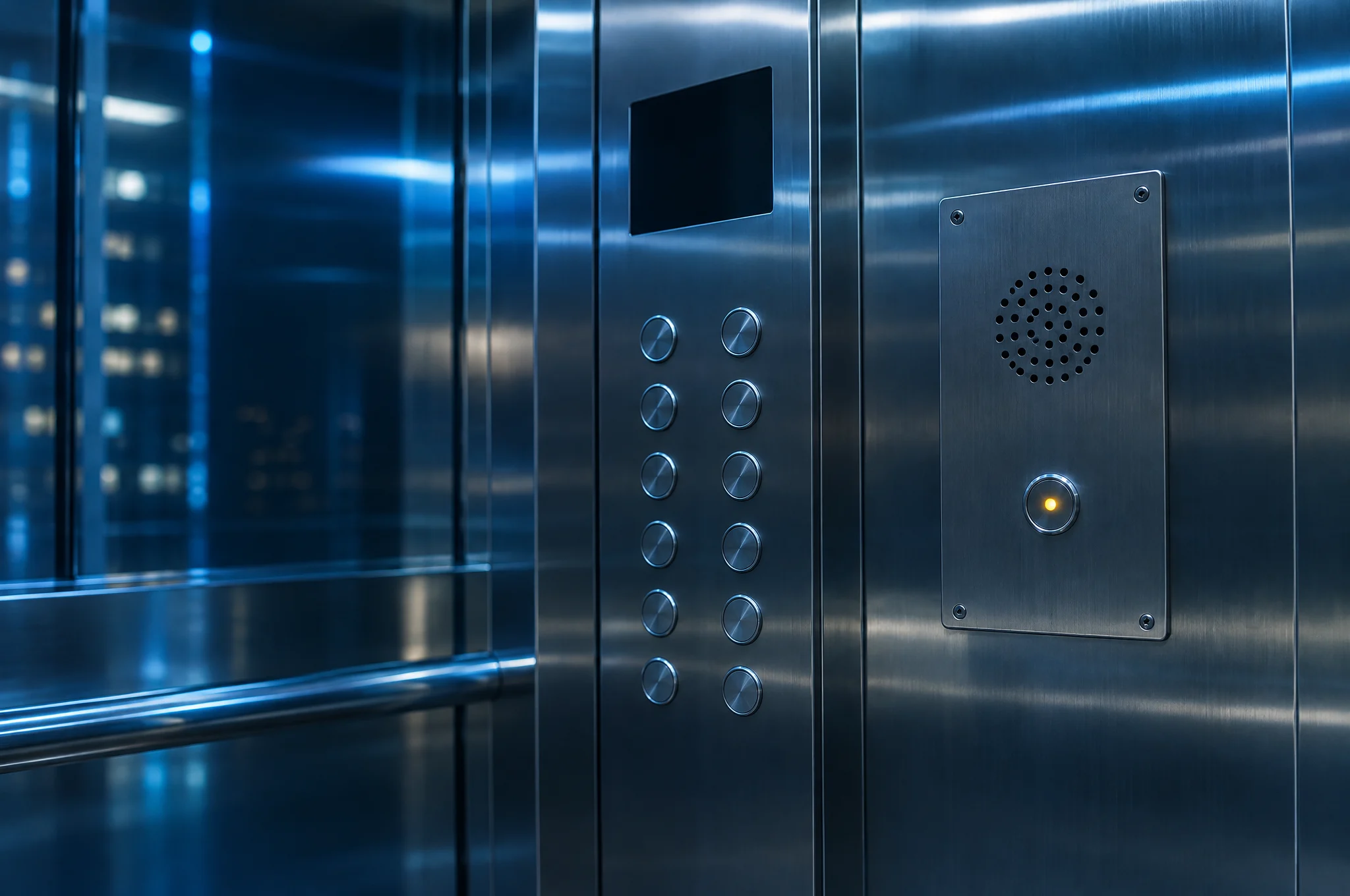
- Elevator emergency phones
- What the POTS line does: Connects a trapped passenger to a staffed location. The elevator safety code (ASME A17.1) requires two-way emergency communication from the car.
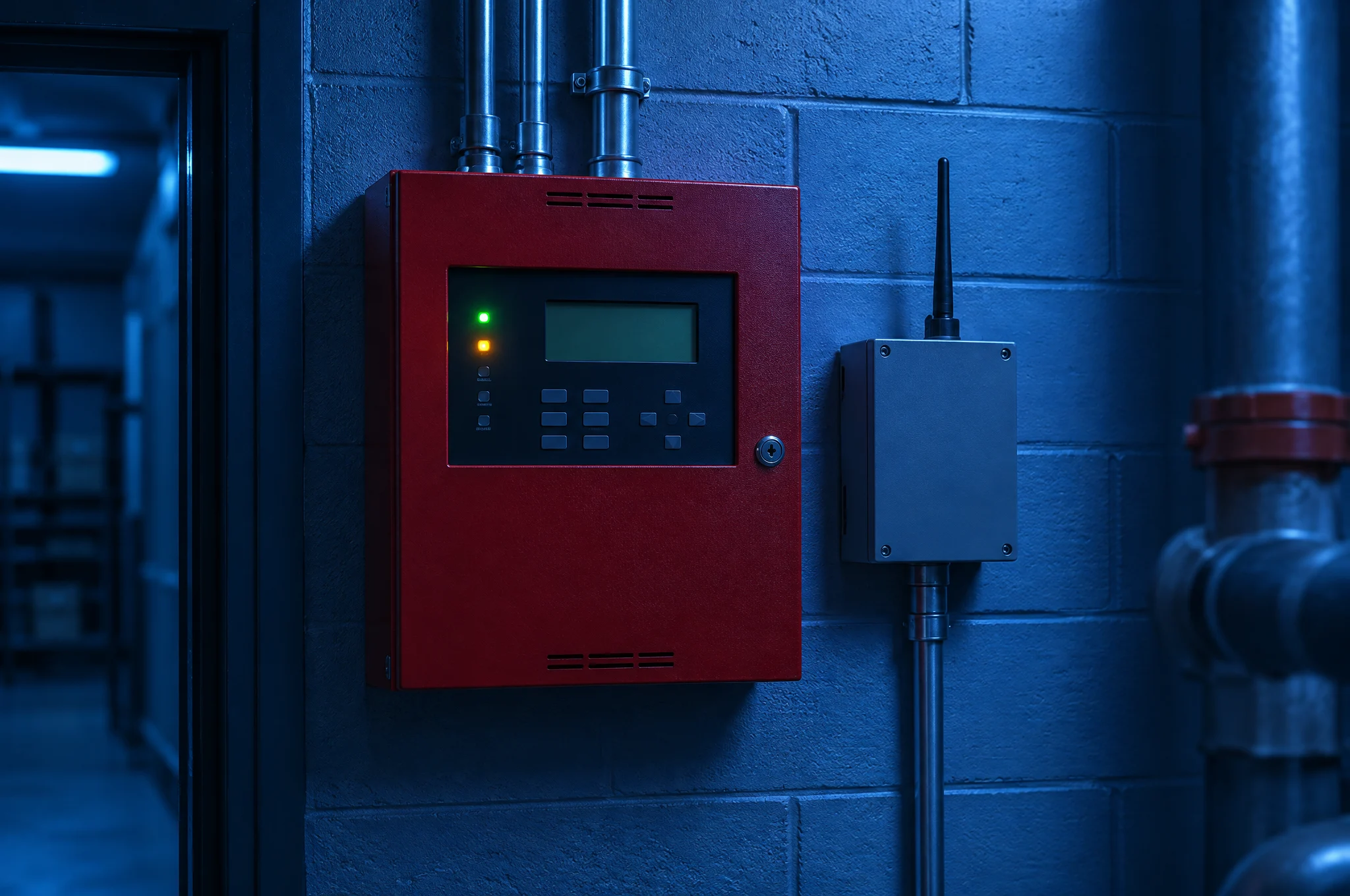
- Fire alarm panels
- What the POTS line does: Sends alarm, trouble and supervisory signals to the monitoring center. Panels using a DACT have traditionally used two POTS lines.
- Security and burglar alarm panels
- What the POTS line does: Reports intrusion and panic alarms to the monitoring company.
- Water and leak sensors
- What the POTS line does: Calls out when water is detected, so a leak is found before it spreads.
- Emergency call boxes and phones
- What the POTS line does: Call stations in garages, stairwells, areas of refuge and parking lots.
- Intercoms and entry phones
- What the POTS line does: Lobby, gate and door intercoms that ring a tenant or the front desk.
- Fax and dial-up lines
- What the POTS line does: Fax machines, plus dial-up lines for building controls and meters.
The risk of waiting until a POTS line fails
When a POTS line fails or is discontinued before it is replaced, the system behind it can no longer call out. Nobody may notice until the moment it matters. For a building, that can mean:
- Elevator entrapments with no working emergency phone
- The building placed on fire watch, with the cost of staff on patrol until monitoring is restored
- Failed or flagged fire inspections
- A certificate of occupancy put at risk
Every replacement is subject to national and local codes, ordinances and the requirements of your local authority. Your system vendors and local inspector confirm what applies to each line.
How POTS line replacement works
5x5 replaces POTS lines one line at a time, so no system is left without a way to call out:
- Inventory every line: we find each POTS line in the building and record what it serves, the carrier, the phone number, the monthly cost and any contract terms.
- Check each system with its vendor: we confirm with your elevator, fire alarm, security and intercom vendors what each device needs, and work with your existing monitoring company.
- Design the replacement: each line gets the right combination of VoIP adapters, cellular, LTE, 5G and internet connections, with battery backup.
- Coordinate approvals: life-safety changes are planned with the system's vendor and the local inspector (the authority having jurisdiction), so each line meets the codes that apply.
- Cut over and test: we move one line at a time, keep or port phone numbers where a system needs them, and test each system end to end with its vendor.
- Cancel the POTS line: only after a system passes testing do we cancel its POTS line, and you get a record of every line we replaced.
You do not need a complete list of lines to start. Recent phone bills, vendor contacts and access to phone rooms, elevator machine rooms and alarm panels are enough. Finding the lines is part of the work.
POTS replacement options compared
There is no single replacement for every line. The right connection depends on what the system needs and what its vendor and the local inspector accept.
- VoIP adapter
- How it works: Converts the analog line a device expects into a call over an internet connection.
- Where it fits: Devices that need a standard phone line, such as some intercoms, call boxes and fax
- Cellular, LTE or 5G
- How it works: Sends calls or signals over a cellular network instead of copper.
- Where it fits: Life-safety systems that need a path independent of the building's internet
- Internet connection
- How it works: Carries calls and signals over the building's network.
- Where it fits: Systems built to report over IP, often paired with cellular as a second path
- Battery backup
- How it works: Keeps the replacement equipment running when building power fails.
- Where it fits: Every replacement line, since new equipment needs power where copper did not
How 5x5 Telecom can help
5x5 finds every POTS line in your building and confirms what each system needs with your vendors and local inspector. We replace each line with the right combination of VoIP adapters, cellular, LTE, 5G and internet connections, with battery backup, and work with your existing monitoring company, so you do not need to change. Every system is tested before its POTS line is canceled. 5x5 also handles intercom systems.
We can also audit the building's internet and telecom expenses, POTS lines included, and propose a solution that typically saves buildings $500 to $3,000 a month, or $6,000 to $36,000 a year. Savings depend on each building's current services and contracts. Our support team is US-based. During business hours, every ticket gets a first reply within 60 minutes. Outside business hours, including weekends and holidays, emergencies get the same 60-minute first reply.