
Updated November 2026
The short version
- Copper phone lines are being shut off area by area. A major carrier can begin in parts of 18 states on November 15, 2026.
- Office phones are only part of it. Elevator phones, alarm panels, leak sensors, door entry, fax and card terminals often use copper lines too.
- Your carrier must notify you in writing before it discontinues service. Treat the first notice as your signal to start.
- Replace and test every line before the copper line is canceled, and keep your numbers by porting them.
What copper line retirement means
Copper line retirement is when a phone company stops providing service over its copper network in an area and moves customers to fiber, wireless or internet-based service. Lines that run over copper, often called POTS lines (plain old telephone service), stop working once the copper is shut off.
- The rules now move faster. In March 2025 the FCC adopted orders that streamline how carriers discontinue copper and retire legacy voice services.
- Shutoffs have dates. A major carrier has FCC approval to begin discontinuing copper service in parts of 18 states starting November 15, 2026.
- Copper usually goes away in steps. Carriers often stop selling copper lines to new customers before they shut off service to existing ones.
- Your service may or may not change. The FCC notes that copper lines typically keep working during a power outage, while modern alternatives usually need backup power.
Some states add their own review before copper can be retired.
Which lines to inventory
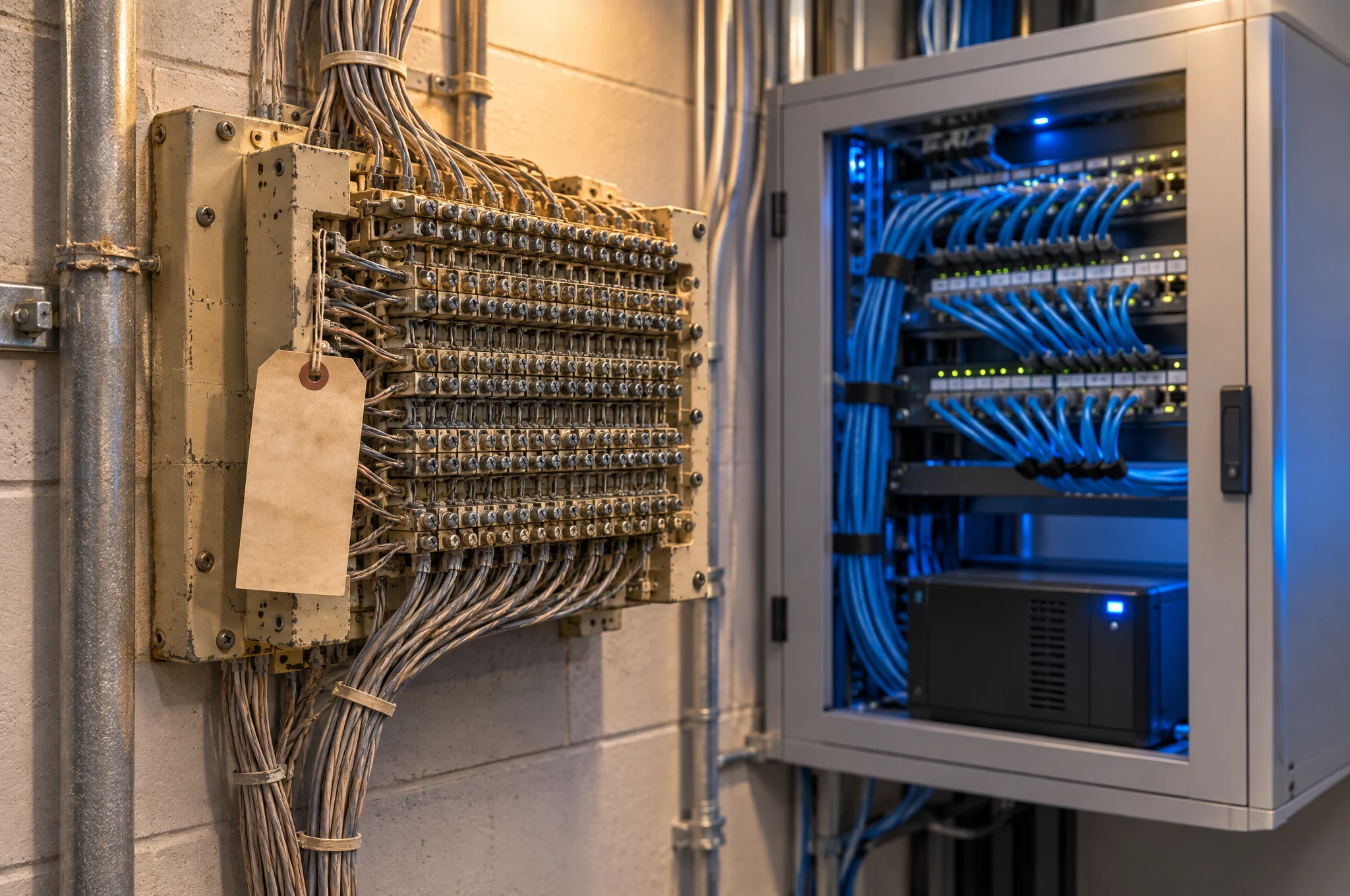
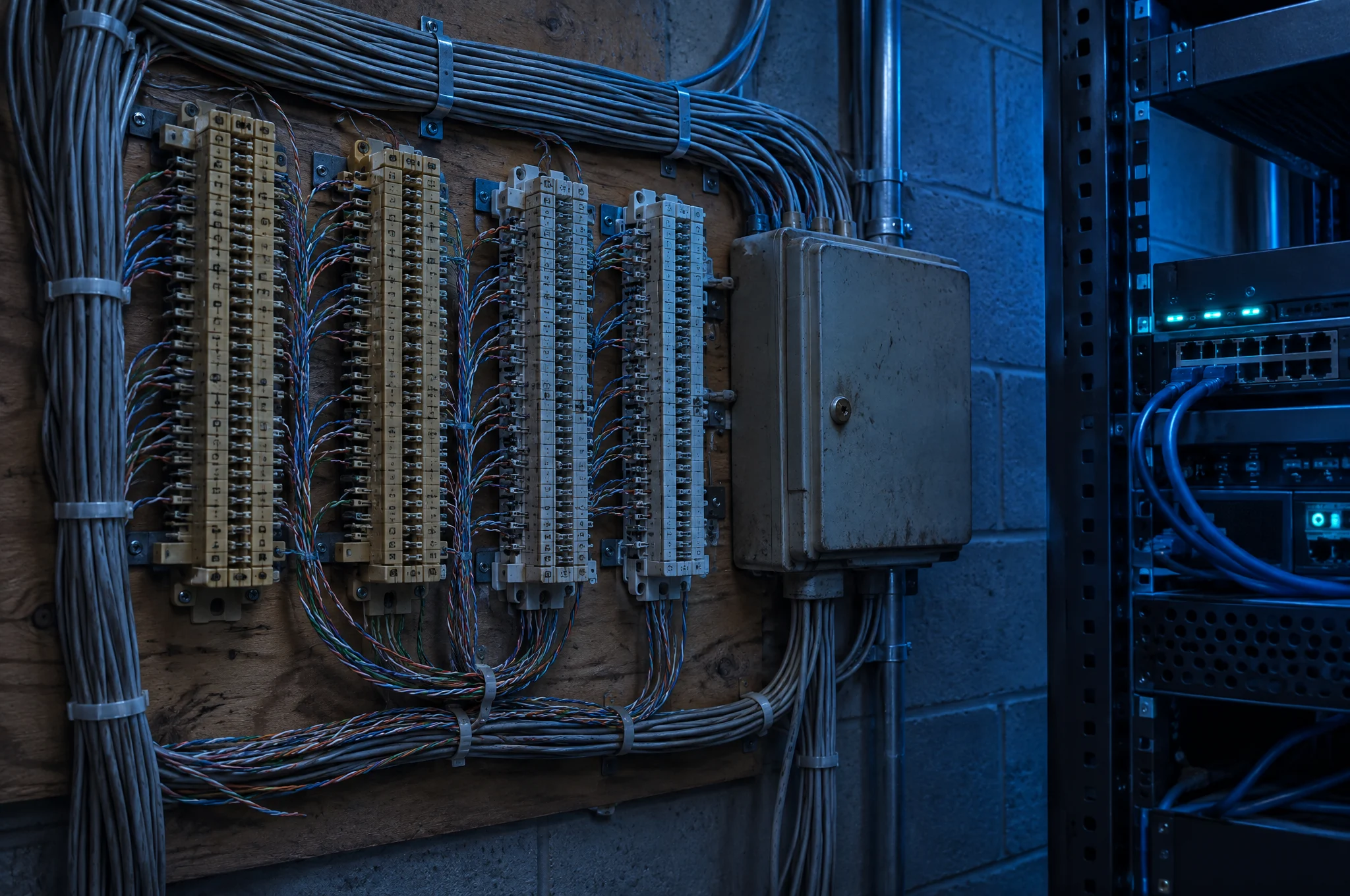
Most businesses and buildings have more copper lines than anyone has on a list. Start with recent phone bills, then walk the phone room, elevator machine rooms, alarm panels and front desk. Record each line's phone number, what it serves, the carrier and any contract terms.
- Main business lines
- What it does: Carry office calls, sometimes into an on-site phone system.
- What to check: How many lines and numbers you have, and whether the phone system stays.
- Fax lines
- What it does: Send and receive faxes.
- What to check: Whether you still need fax, and which numbers must be kept.
- Elevator emergency phones
- What it does: Connect a trapped passenger to a staffed location.
- What to check: The elevator service company and who answers the call.
- Fire alarm panels
- What it does: Send alarm, trouble and supervisory signals to the monitoring center.
- What to check: The monitoring company and how the panel reports today.
- Security alarm panels
- What it does: Report intrusion and panic alarms.
- What to check: The monitoring company and the panel model.
- Water and leak sensors
- What it does: Call out when water is detected.
- What to check: Who receives the alert and how.
- Door entry and intercoms
- What it does: Ring a tenant, the front desk or a phone to open a door or gate.
- What to check: Which numbers the system dials and who manages it.
- Credit card terminals
- What it does: Some older terminals dial out to approve payments.
- What to check: Whether each terminal dials out over a phone line or uses the internet.
How to find out if your lines are affected
- Read every letter and bill message from your phone company. Carriers must notify customers in writing before they discontinue, reduce or impair service.
- Ask your carrier about each line. Give it the phone numbers from your inventory and ask whether each one runs over copper and whether a discontinuance date is set for your address.
- Watch for FCC public notices. When a carrier files to discontinue service, the FCC issues a public notice that opens a comment period and usually sets the date the request can be granted automatically.
- Treat price increases and changes in status as warnings. A line that can no longer be added or changed is often on its way out.
- Ask your system vendors. Your alarm monitoring company and elevator service company may already know which of your lines are on copper.
Do not wait for a final notice. Notice rules eased in 2025 and differ by type of change, and replacing life-safety lines takes coordination with vendors and your local inspector.
What to ask before replacing each line
Every line serves something different, so ask these questions line by line:
- What does the device on this line need? A phone call, an alarm signal and a fax each work differently.
- Does the system's vendor support the replacement? Confirm it with the elevator, alarm, intercom or terminal vendor.
- Does the local inspector need to approve the change? Life-safety lines are subject to national and local codes and ordinances and the requirements of your local authority.
- What keeps it working during a power outage? Copper carried its own power; the replacement equipment needs battery backup.
- Does it need a second path? Life-safety systems may need a connection that does not depend on the building's internet.
- Does the phone number need to stay the same? Monitoring centers and phone systems may have the number on file.
- How will it be tested? Test each system end to end before the copper line is canceled.
- Who supports it after the switch? Know who answers when a line has a problem at night or on a weekend.
Keeping your phone numbers
You can usually keep your numbers when you move off copper. The FCC says that if you switch providers and stay in the same geographic area, you can keep your existing phone number, including when you move from a traditional line to internet-based service. This is called number porting.
Start service with the new provider first and let it request the port. Keep the old line in service until each number has moved and every system on it has been tested. When you switch to 5x5, you keep your business numbers and we help you port them.
How 5x5 Telecom handles copper line retirement
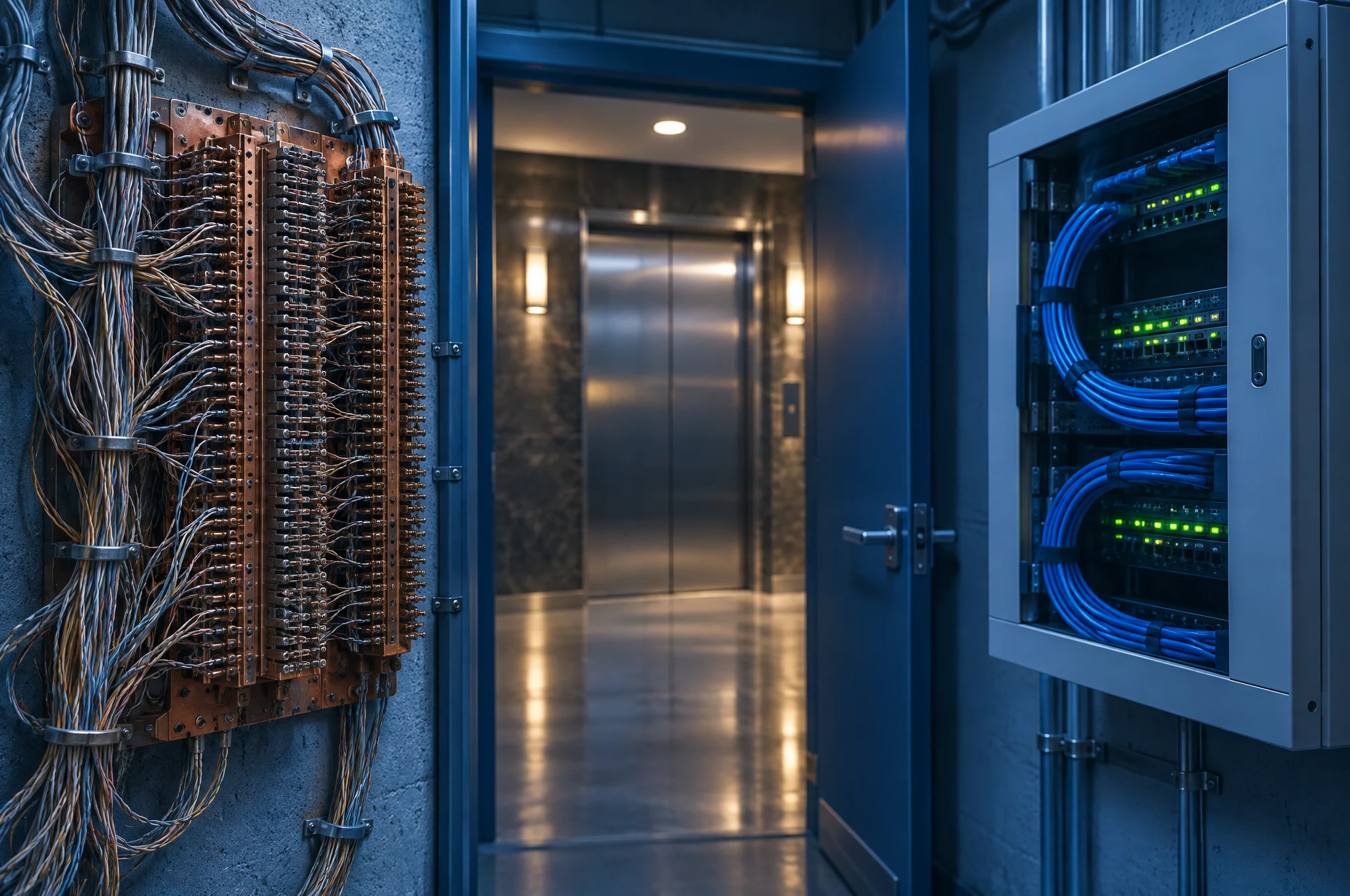
5x5 replaces copper lines for office phones and building systems, so one provider handles the whole move. For building systems such as elevators, alarm panels and water sensing, we find every line, confirm what each system needs with your vendors and local inspector, and replace each line with the right combination of VoIP adapters, cellular, LTE, 5G and internet connections, with battery backup. We work with your existing monitoring company, and every system is tested before its copper line is canceled.
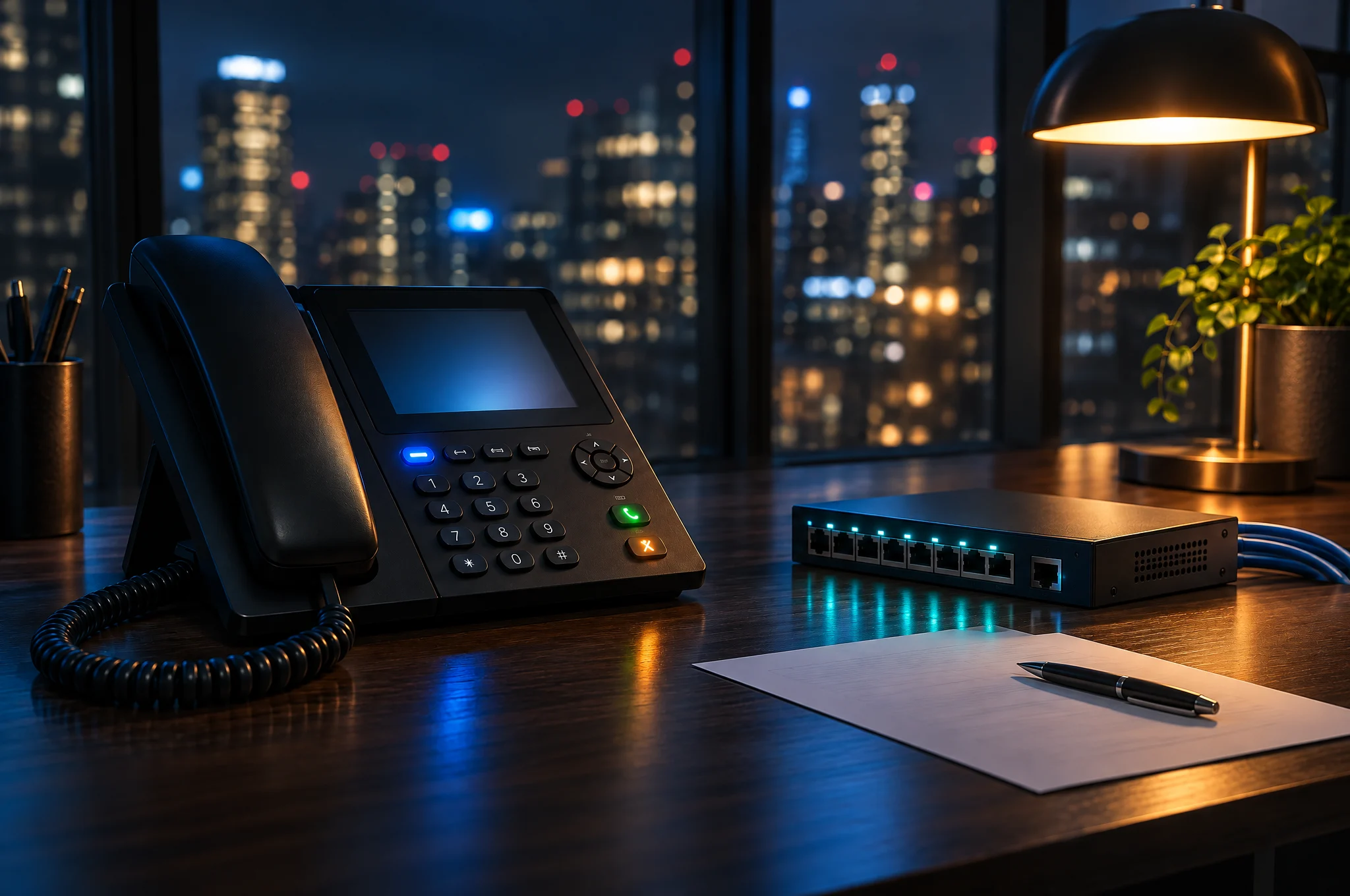
For office phones, 5x5 business VoIP replaces copper lines with enterprise calling features. If you would rather keep the phone system you own, SIP trunking connects it to 5x5's voice service instead. You keep your numbers, and we help you port them. Our support team is US-based. During business hours, every ticket gets a first reply within 60 minutes. Outside business hours, including weekends and holidays, emergencies get the same 60-minute first reply.
Related services and guides

Sources
- FCC: Domestic Section 214 discontinuance of service (customer notice and public notice)
- FCC: Modernizing telecommunications networks, what government officials need to know
- FCC: Porting, keeping your phone number when you change providers
- Fierce Network: Copper retirement reform has landed in the U.S. (March 2025)
- Broadband Breakfast: FCC circulating order to preempt California copper retirement rules (October 30, 2026)
- Sherman City: AT&T can begin cutting copper landlines Nov. 15 (November 5, 2026)
- KXII: AT&T phasing out legacy landlines, what to know (November 5, 2026)